
What happens when your job owns six days of your week and your body gets whatever is left?
In China, three numbers became shorthand for an extreme work culture: 996.
Nine in the morning. Nine at night. Six days a week.
A 72-hour working schedule that came to symbolise the pressure of relentless competition, especially in parts of the technology industry.
But 996 is more than a timetable. It’s a window into the contradictions of modern ambition.
Success at What Cost?
The promise sounds familiar: work harder, achieve more, build your future.
The reality can be less glamorous.
When long hours become normal, personal time turns into a luxury. Sleep, friendships, physical activity and leisure are squeezed into whatever remains.
And the problem isn’t limited to China.
From consulting firms to startups and multinational headquarters, the cult of permanent availability has travelled remarkably well.
Enter Punk Wellness
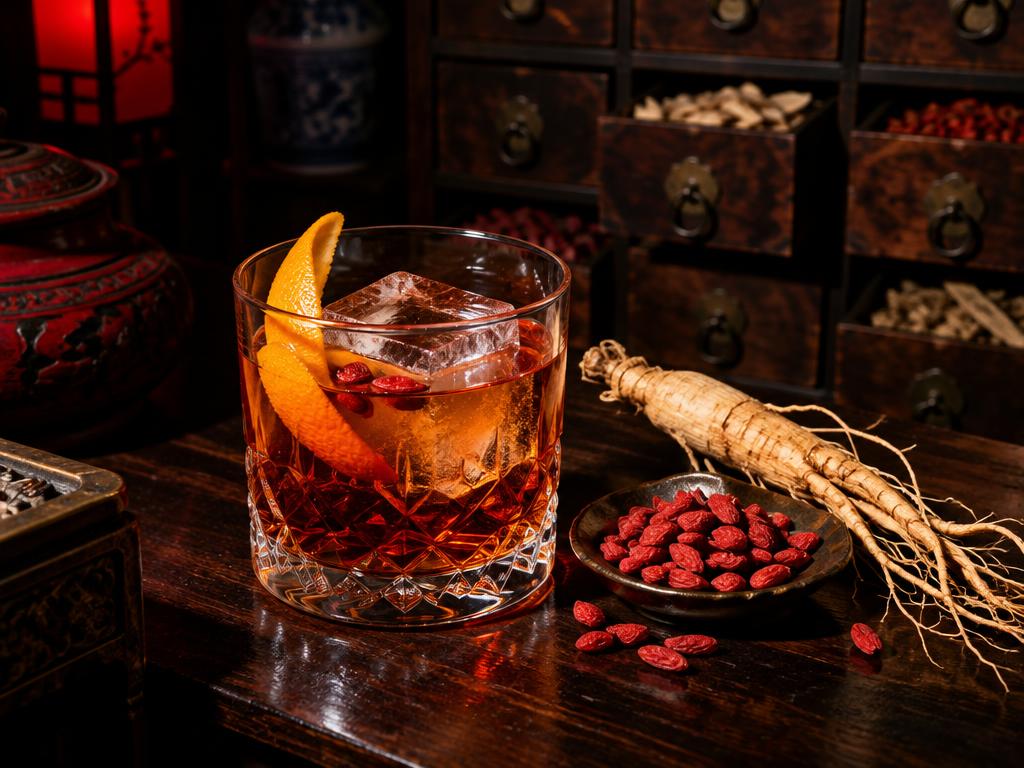
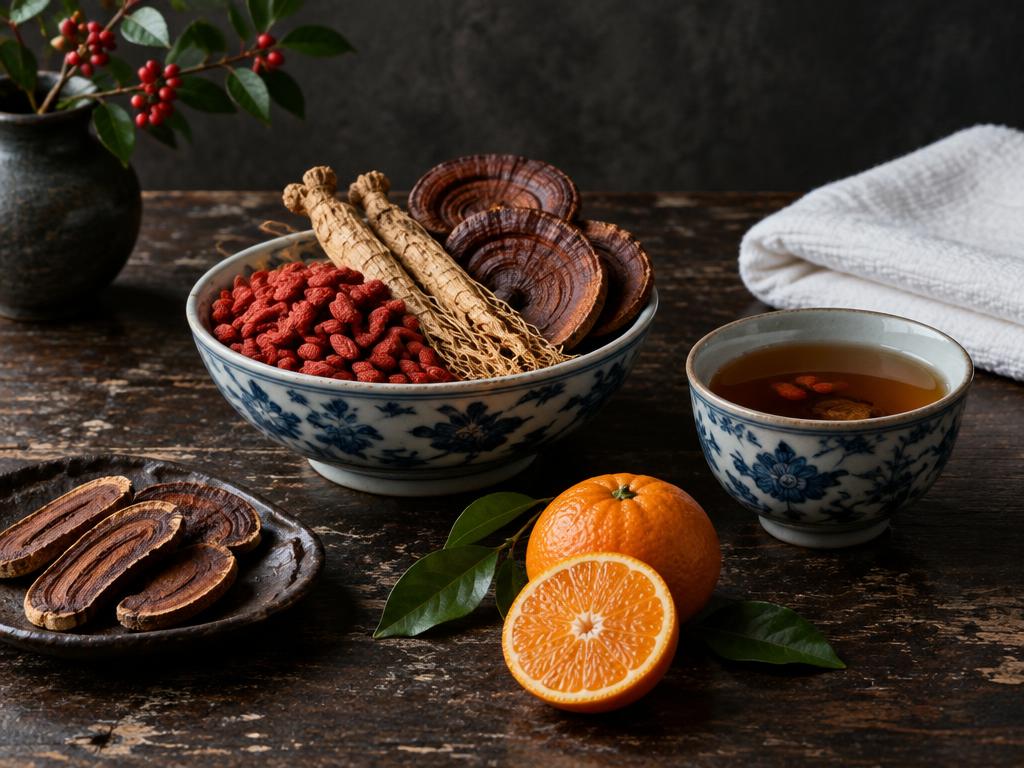
Against this backdrop, the Chinese phenomenon 朋克养生 (punk wellness) makes cultural sense.
Stay up late, then drink herbal tea. Work through the week, then attempt to recover at the weekend. Pursue success while improvising small rituals of self-preservation.
The contradiction is almost comic.
But the joke contains a serious question: why should looking after yourself require fighting the lifestyle you’re expected to maintain?
Discover the origins and cultural context of Punk Wellness.
The Productivity Paradox
We celebrate efficiency at work, yet often accept systems that consume enormous amounts of human energy.
Maybe the real innovation isn’t another productivity app.
Maybe it’s questioning the operating model that makes recovery feel like a second job.
Conclusion: You Are Not a Productivity Metric
Ambition isn’t the enemy. Neither is hard work.
The problem begins when performance becomes the only measure of a life.
A successful career should make room for living, not require recovering from it forever.
Explore the contradictions of modern life in Duality.